


































 English
 Nederlands
 Deutsch
 English
 Français
 Español
 Italiano





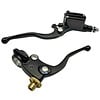
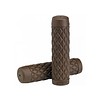
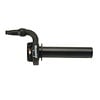
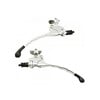
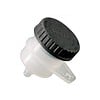
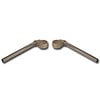

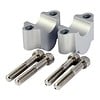
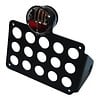
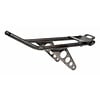
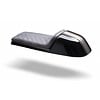
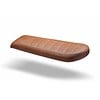
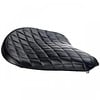
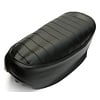
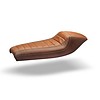
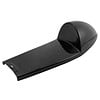






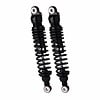
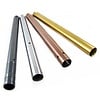
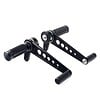
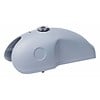

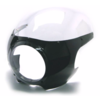
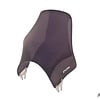
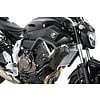
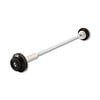
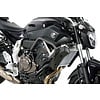
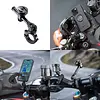




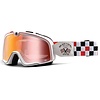
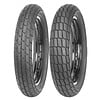

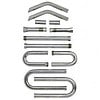










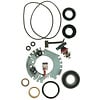
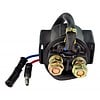
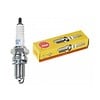
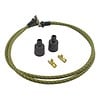




























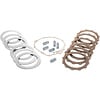
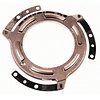
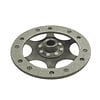
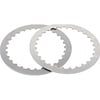




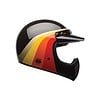






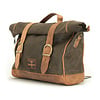
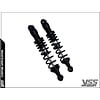
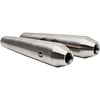























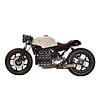

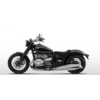
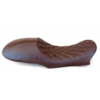




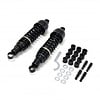
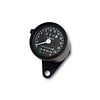
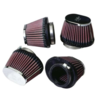
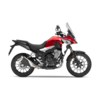
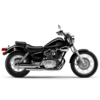
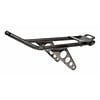
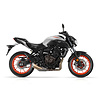
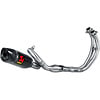
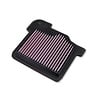
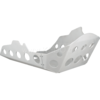
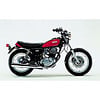
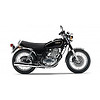
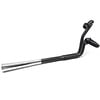
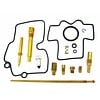
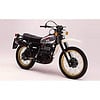
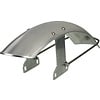
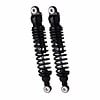
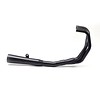
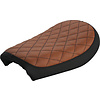


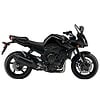
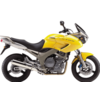
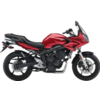
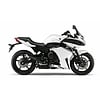
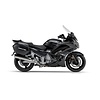
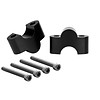
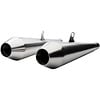
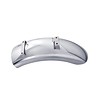
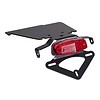
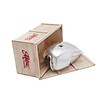
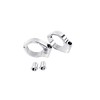
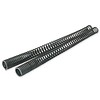
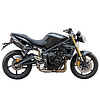
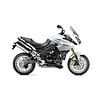
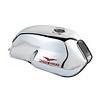
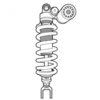
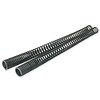
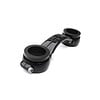
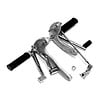
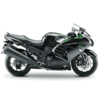
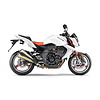
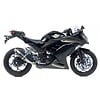
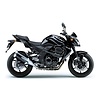
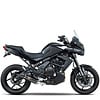
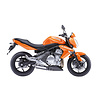
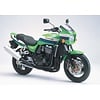
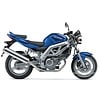
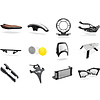
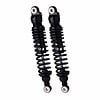
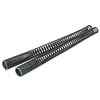
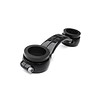
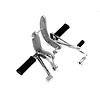
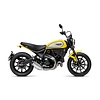
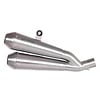
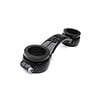
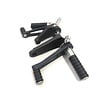
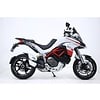
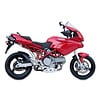
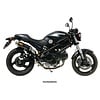
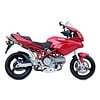
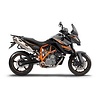
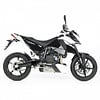
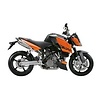
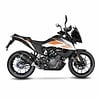
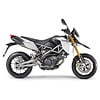
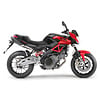
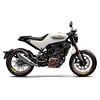
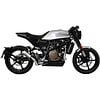







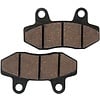
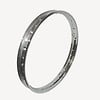
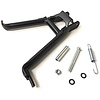
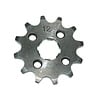
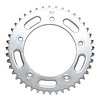
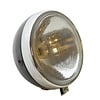
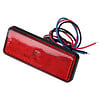
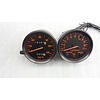
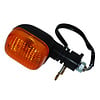





Building a custom bike takes more than choosing the most expensive model in the store. It’s all about the vision, creativity and selecting the right bike and parts for your riding style and needs. Every bike has a story and the parts you choose define that story.
We have created an in-depth look at five popular styles which include the Café Racer, Scrambler, Tracker, Bobber and Brat Style and which parts you need to recreate each style.
1. Café Racer Style
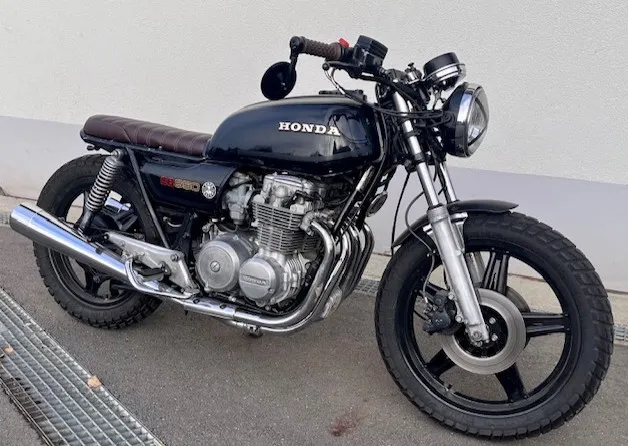
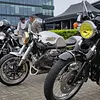
The Café Racer motorcycles originated in 1960s in Great Britain, influenced by a group of young riders who wanted speed, individuality and freedom and it is the most famous type of customisation. After the war, motorcycles were cheap and widely accessible, sometimes second-hand or ex-military. For many young riders, they became affordable entry points into riding and into independence. Instead of using them for basic transportation, riders modified them for short, fast races between roadside cafés such as the famous Ace Cafe.
These riders known as Rockers or “ton-up boys” was a rebellious young subculture that defied the traditional norms of 1950s Britain. They wore leather jackets, slicked their hair, and enjoyed rock & roll. They were not concerned with comfort or long-distance travel, instead they were looking for speed, status and something that set them apart from traditional culture.
The concept was simple: modify a standard production bike to make it quicker, lighter and more aggressive. Riders removed heavy components, replaced handlebars, repositioned foot pegs, tuned engines and redesigned seats. “Non-essential” items such as side panels or fenders were removed and rebuilt with lighter weight components or left out completely. The main goal of these riders was to hit “the ton” (100 miles per hour) during these short races between cafés.
The majority of early café racers were based on British bikes such as Triumph Bonneville and the BSA Gold Star. These bikes were powerful for the period and simple to modify. Some builders even started combining parts from other manufacturers to boost performance, creating hybrids such as the iconic Triton, which combined a Triumph engine with a Norton Featherbed frame for better control.
Today, café racers combine the raw racing spirit of the 1960s with modern components but the principle remains unchanged: clean lines, a forward posture and authenticity.
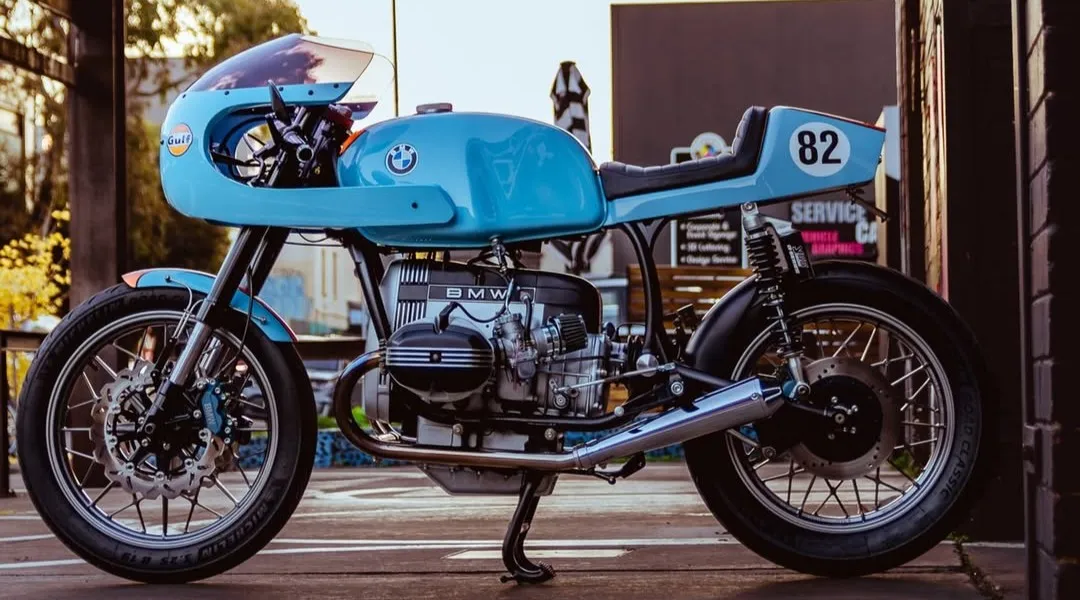
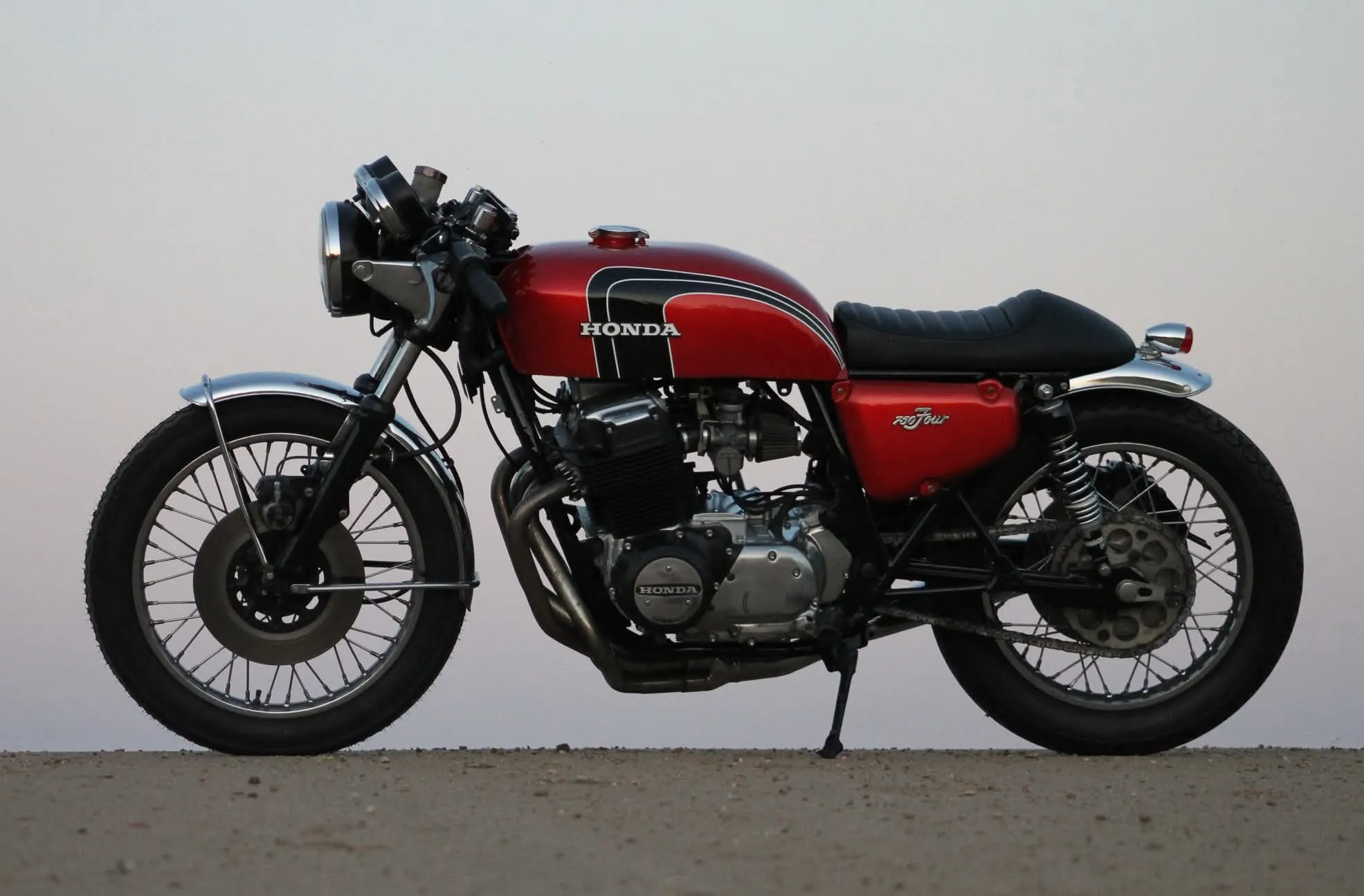
The Parts Which Make a Bike a Café Racer
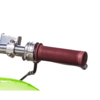
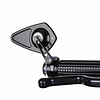
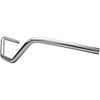
Handlebars: low clip-ons positioned below or above the triple clamp, made from aluminum or steel. They are used to move the rider’s torso forward and downward. This reduces the wind resistance at higher speeds and moves body weight to the front wheel, leading to better front-end control in corners. The riding posture becomes more compact and aerodynamic. Proper cable routing is important not just for a clean appearance, but also because tight wires can hinder throttle response and steering movement.
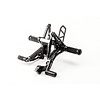
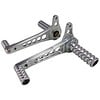
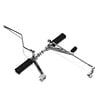
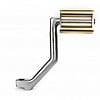
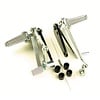
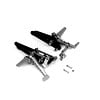
Rear sets: adjustable aluminum or billet steel modules are ideal for changing the posture. Rear-set foot controls move the rider's legs backward and upward. This improves stability during corners and aligns the lower body with the forward-leaning upper body due to clip-ons. Without rear sets, the rider's stance would be unnatural. They help to complete the race-inspired riding triangle.
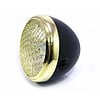
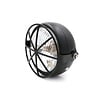
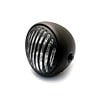
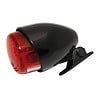
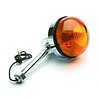
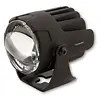
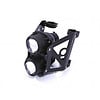
Lighting: should be minimal with a round headlight (5.75-7”), small taillight and indicators. Extra components increase visual and physical weight; therefore, lighting is kept to a bare minimum. A single round headlamp retains symmetry and the traditional British racing style. Smaller indicators and taillights provide a sleek back appearance.
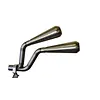
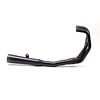
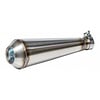
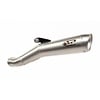
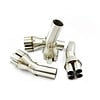
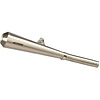
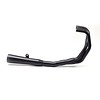
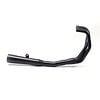
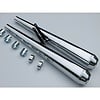
Exhaust: megaphone or reverse cone, and stainless steel or chrome for style and sound. Megaphone or reverse cone exhausts increase exhaust flow beyond factory systems, improving performance while providing a cleaner, more aggressive sound. The straight-line design of the exhaust highlights the bike's horizontal visual flow. Even the sound of a Café Racer contributes to its racing reputation.
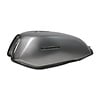
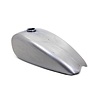
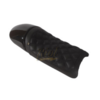
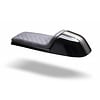
Seat: humped single seat from fiberglass or steel base which defines the rear frame cut. The single-humped seat was inspired by old race motorcycles. It shapes the rear profile and forms a single line from tank to tail. In many builds, the rear frame is modified to accommodate this seat setup. Even while parked, the hump shows speed and competitiveness.
Wheels and Tires: narrow tires with vintage tread are good for classic builds, or alloy wheels for a modern touch. Traditional tread patterns enhance the authentic look, yet contemporary alloy wheels minimize excess weight for better handling. Wheel choice has a direct impact on how the bike turns and feels at speed.
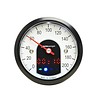
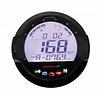
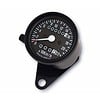
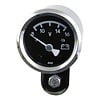
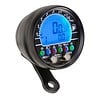
Gauges: keep it simple with dual analog or compact digital items because minimal clutter it creates maximum style. Dual analogue gauges resemble traditional racing instrumentation: speed and RPM are all that matters. Keeping the cockpit minimalistic avoids distractions and visual clutter while maintaining the performance-focused character.
Café Racers focus on lines and stance so that even while parked, the bike would have an aggressive look. Every aspect adds to the classic silhouette.
2. Scrambler Style
The Scrambler is the “adventurer” of custom bikes. They are not about racing on a track, but about the freedom and being prepared for anything.
The Scrambler dates back to the 1950s and 1960s when, in both UK and the US, enthusiasts began modifying road bikes to road bikes to use on dirt tracks and informal off-road races. Before there were specialised motocross and enduro bikes, riders had to adapt to be able to leave the paved roads.
Off-road races in Britain were commonly known as “scrambles”, which is where the word Scrambler came from. Riders modified road bikes for these competitions by improving stability and durability.
Manufacturers quickly reacted with factory options, such as the Triumph TR6 Trophy, which gained popularity after competing in desert races in the United States, and later the Ducati Scrambler. Desert Racing became more popular in America once it was introduced in California. The Scrambler therefore became a transatlantic creation, with British engineering suited for American terrain.
By the late 60s and early 70s the motorcross motorcycles from Japanese manufacturers were taking over modified street scramblers in competition. However, the appearance with high pipers, upright posture, and dual-purpose tires continued. Modern scramblers are mostly for aesthetic purposes rather than competition motorcycles.
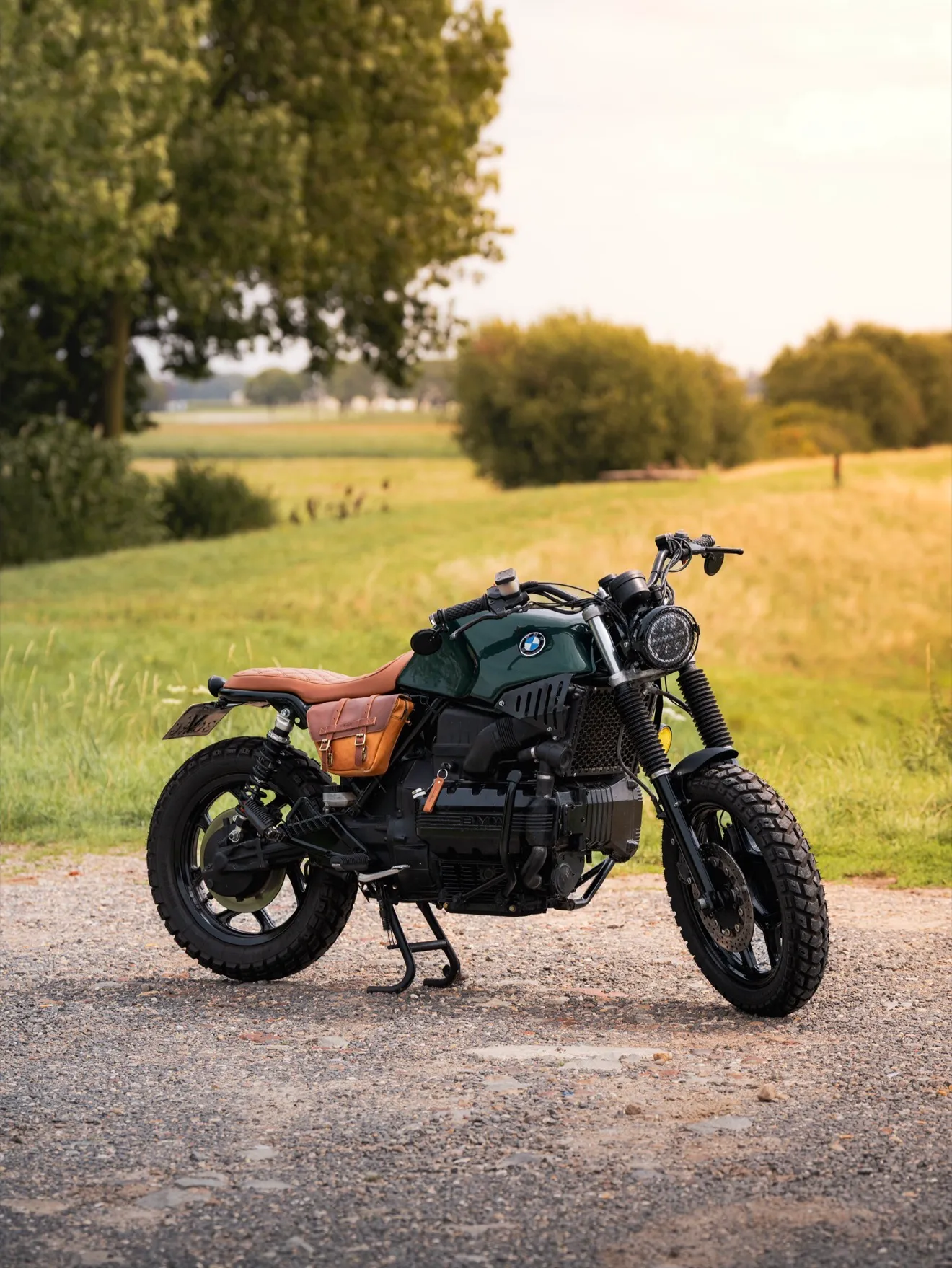
The Parts Which Make a Bike a Scrambler
High-mounted exhaust: The exhaust is raised to avoid damage from rocks, debris, and rough terrain. A low exhaust would increase the chance of an impact while off-road riding. Heat shielding is commonly used to protect the rider's leg. This design choice is entirely functional: clearance and protection come first.
Flat or slightly humped seat: from leather or vinyl rather than fiberglass or steel The long, flat seat helps the rider to comfortably move their body weight when riding on rough terrain. On dirt or gravel, the balance is always changing. A narrow seat improves leg movement and control. Comfort and mobility are more crucial than aggressive postures.
Wide, upright handlebars: most times from steel or aluminum Wide bars give leverage. When riding on rough terrain, leverage is essential for correcting mistakes and staying balanced. The upright stance also enhances visibility and control at slower speeds.
Semi-knobby tires: for street or light off-road riding Tires are the most crucial off-road component. Semi-knobby tread patterns provide traction on rough ground and still allow full street use. The deeper tread blocks digging into the dirt and gravel to provide traction.
Minimal fenders and skid plates: A skid plate protects the engine chassis against stones and crashes. Shorter fenders decrease mud build up while keeping the weight down. Protection replaced aerodynamics as the design priority.
Lighting: small round headlight, LED tail, and optional fork indicators
.webp)
3. Tracker Style
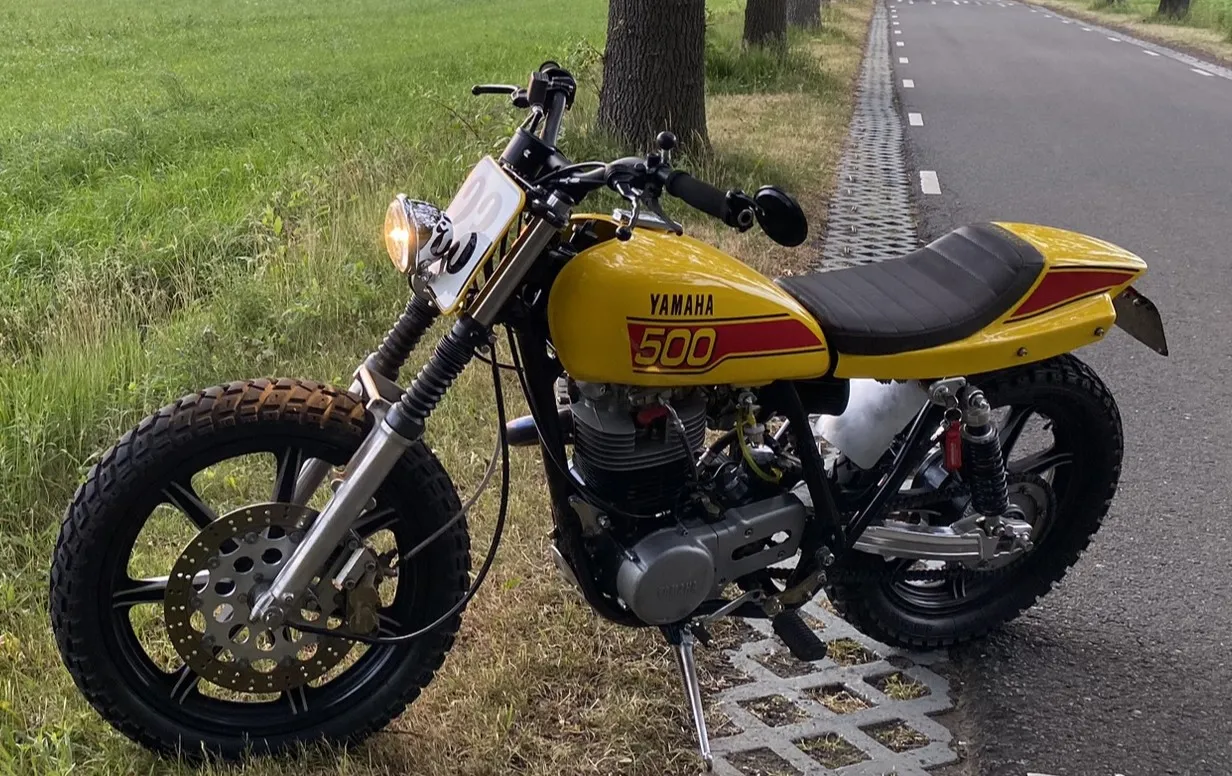
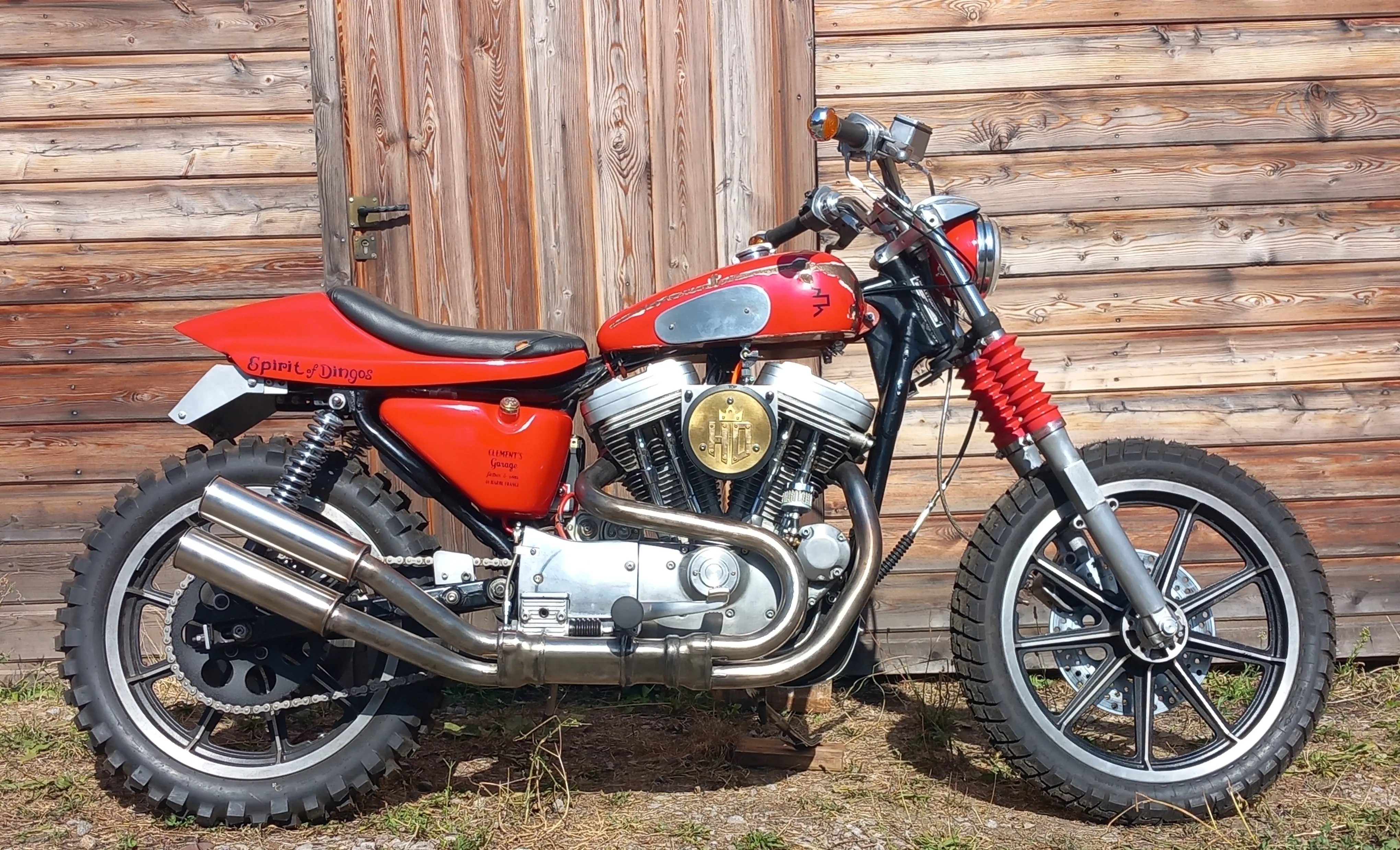
Trackers are for motorcyclists who enjoy tight corners, agility, and simplified performance. They are light, upright, and simple, getting inspiration from flat track racers. Trackers are bikes that can handle both streets and intense track riding.
The Tracker style is based on American flat track racing, which is one of the oldest forms of organized motorcycle competition in the US. The American Motorcyclist Association established national championship events in the 1920s and 1930s, and dirt oval racing became a defining American motorsport.
Flat track bikes are designed for controlled sliding on oval dirt tracks. They required consistent power delivery, a low centre of gravity, and balanced chassis design. Harley-Davidson dominated early American racing, although Japanese manufacturers like Yamaha Motor Company became competitive in the 1970s.
Street trackers appeared when fans started making road-legal motorbikes that looked like flat track race bikes. The design: flat seat, minimal bodywork, upright bars, is drawn straight from race motorcycles designed to slide through turns quickly.
Unlike café racers, which were influenced by urban and youth subcultures. Trackers emerged straight from organized racing.
The Parts Which Make a Bike a Tracker
Flat, narrow seat: Unlike the Scrambler's wide, forgiving seat, the Tracker's seat is flat and narrow, supporting precise body movement. Riders can immediately transfer their weight forward or back to modify traction in tight turns, making the seat an important component of handling rather than comfort.
Wide, upright handlebars: Provide leverage and control. The objective is not off-road leverage, but precise steering control that allows riders to draw racing lines precisely.
Tires: Trackers have gripping, somewhat wider rear tires to provide good acceleration out of turns. Tires are chosen to provide consistent traction on both dirt ovals and concrete roads, reflecting their dual-purpose.
Exhaust: high or short exhaust systems in order to stay out of the way during aggressive lean angles and reduce risk of contact with the ground
Minimal fenders and lighting: include a round headlight, small LED taillight, and optional fork indicators
Foot controls: include mid-mounted pegs or mild rear sets, depending on posture your preference. The foot pegs are positioned to allow riders to stand or shift their weight easily, providing them the most leverage while sliding through corners. It prioritizes precision handling above relaxed riding comfort, a small but significant distinction from Scramblers.
4. Bobber Style
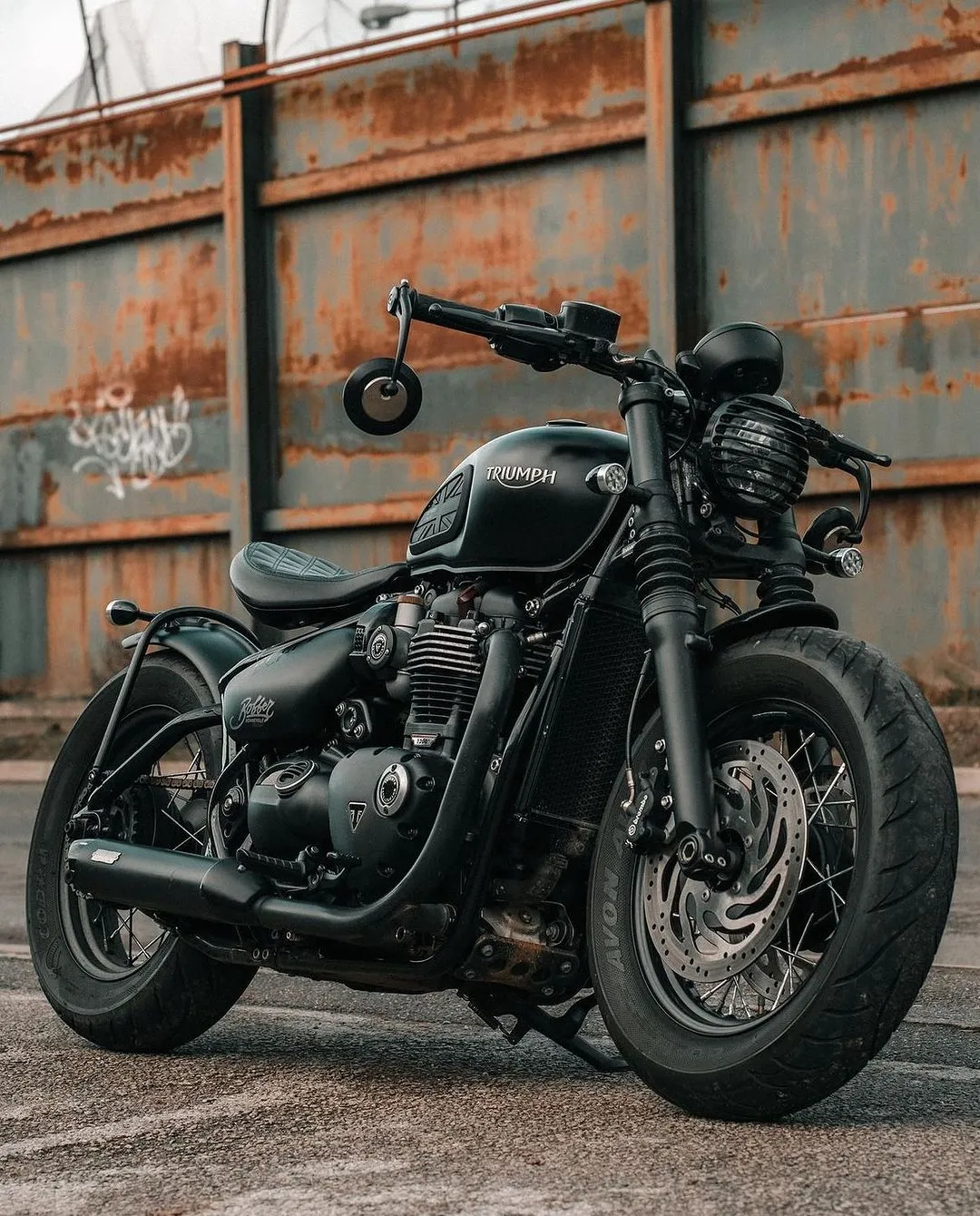
Bobbers are the rebels. They strip down everything, removing anything extra and focusing on character and style. Bobbers are low, minimalist bikes with a solo seat, fat rear tires, and just enough chrome to attract attention. They express confidence even when parked.
The Bobber began in the United States in the 1930s and spread after WWII. The name comes from the term “bobbing” the fenders, which means cutting the fenders shorter to minimise wight and give a more minimalistic look.
Following WWII, many returning veterans received mechanical training and tried to personalise their bikes. Spare components and old motorcycles were widely available. Riders removed extra parts, shortened fenders, scraped the paint and simplified wiring.
Early bobbers were often based on American V-twin bikes like Harley-Davidson and Indian Motorcycle. The goal wasn’t on racing performance but on weight reduction and visual identity.
The bobber has historical significance since it started before the 1960s chopper trend. While choppers significantly changed frame geometry, bobbers often kept the standard frame and concentrated on removal of unnecessary parts rather than structural changes.
Bobbers represent one of the earliest forms of organised motorcycle personalisation in the United States.
The Parts Which Make a Bike a Tracker
Solo Seat: is mounted directly on the frame, and leather is preferred over a steel or spring-mounted base.
Shortened rear fenders or no fender: made of steel or aluminum. Fenders are cut to minimize weight and give the vehicle a stripped-down, raw look. This exposes more of the rear wheel and improves the bike's strong stance.
Wide, low handlebars: drag bars or custom low bars. Handlebars define posture. Low drag bars produce a stretched look, whereas mini-apes lift the arms slightly for a comfortable yet confident attitude. The riding stance accentuates style over cornering precision.
Exhaust: short, straight or staggered two into one chrome or stainless steel pipes. Short, straight pipes enhance both sound and presence. The visual and acoustic effect come first, followed by performance.
Wheels and ties: fat rear tire gives the bike a solid, strong appearance
Minimal lighting: a small round headlight, bar-end or fork-end mounted indicators and sometimes integrated taillight
5. Brat-Style
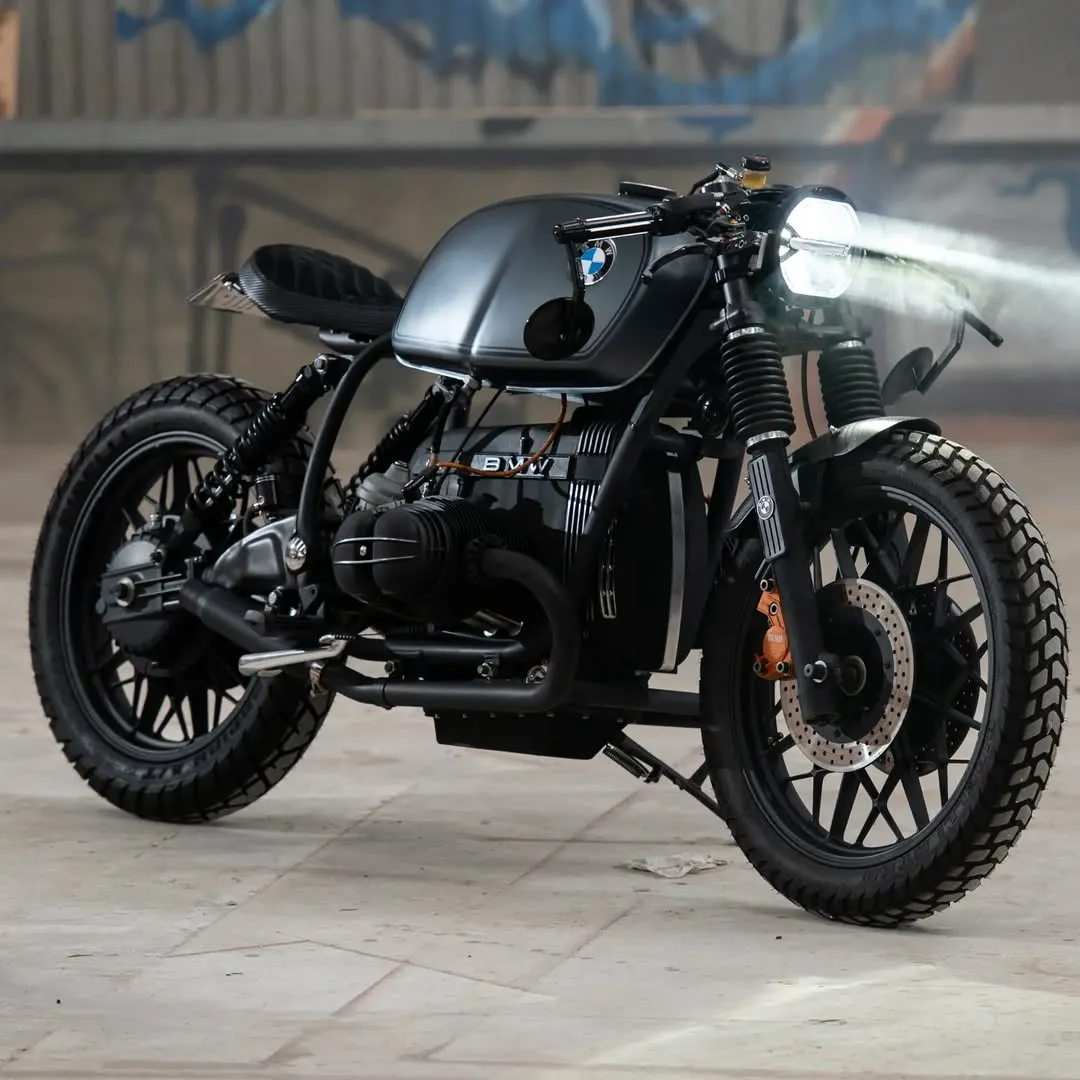
Brat-style motorcycles are the clean, urban-friendly equivalents of cafe racers. They want simplicity, comfort and a flat, extended seat. Unlike Café Racers, the position is relaxed, the likes are sleek and the character is subtle but effective.
The Brat-style is far more modern than the other styles mentioned. It began in Japan in the late 1990s and early 2000s, especially at the Tokyo-based custom workshop Brat Style.
Japan has already established a thriving custom motorcycle culture, influenced by American and British designs. Brat-style, on the other hand, used those concepts to create something entirely Japanese: compact, simple and urban-focused.
Unlike café racers, which focused on the aggressive posture, Brat builds used a flatter seat and a more balanced riding stance. The style was created with practicality in mind, particularly in highly populated cities like Tokyo. It kept old looks while prioritizing functionality.
The early 2000s saw the rise of global internet culture, which helped promote Brat-style internationally. It became associated with discreet design, quality craftmanship, and subtle personalisation.
The Parts Which Make a Bike a Brat-style motorcycle
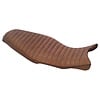
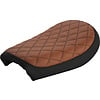
Flat bench-style seat: with light padding, from leather or vinyl. The long flat seat provides comfortable riding and occasional passenger transportation. It focuses on horizontal lines without the aggressive racing hump.
Mid-mounted pegs or mild rear sets: Mid-mounted pegs keep the rider upright and comfortable, making this bike ideal for city riding.
Higher, flatter bars: Flatter handlebars provide greater control while avoiding the excessive lean of clip-ons. The riding stance is neutral.
Tires: slightly wider than Café Racers provide more stability and modern handling without taking away from the traditional design.
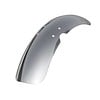
Minimal fenders: are small front/rear fenders that are often custom cut from steel or fiberglass. The components are simplified but not intentionally stripped. The idea is clean urban practicality.
Lighting: small round headlight, minimal taillight and LEDs are optional